
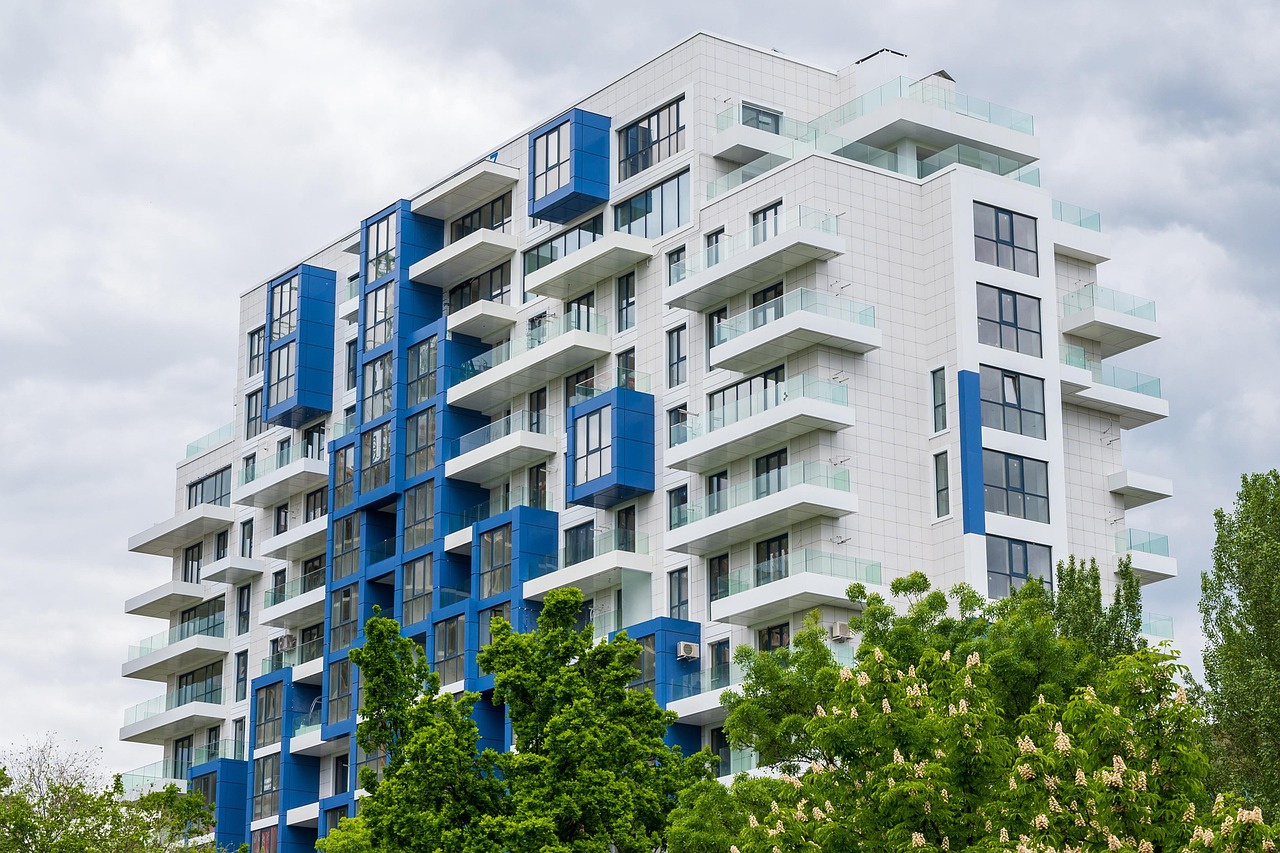
Building Smart for Better Environment
Building smart is the key to creating sustainable and efficient spaces. Therefore, Building Smart uses intelligent design and modern construction methods. Every project focuses on durability and long-term impact.
Moreover, Building Smart helps reduce energy use and minimize waste. We use eco-friendly materials and innovative techniques. This ensures buildings are safe, comfortable, and efficient.
By Building Smart, we develop residential, commercial, and infrastructure projects that improve daily life. Communities benefit from stronger, healthier environments. Our teams carefully plan every detail.
In addition, Building Smart allows spaces to work in harmony with their surroundings. Each decision considers environmental responsibility. Projects are built to last and deliver value for years.
Ultimately, Building Smart is more than a method—it is a philosophy. It protects the environment while improving quality of life. With smart planning, advanced engineering, and skilled teams, we create future-ready buildings
current and future generations
building smart and shape the environment
Building smart 2026 In the world of construction, attention often centers on materials, design, and visual appeal, yet one equally powerful factor is frequently overlooked: building placement. The right placement does more than occupy land—it enhances the environment, strengthens surroundings, and brings harmony between structure and space. When positioned thoughtfully, a building becomes more than a physical form; it acts as a catalyst for environmental improvement, community development, and lasting value. Modern construction companies understand this impact and invest expertise, planning, and creativity into selecting ideal locations and orientations. Strategic placement is not just a technical decision—it is the foundation for transformation, sustainability, and better livinged: the placement of the building itself. A well-positioned building does more than fill a space. It reshapes the environment, revitalizes the surroundings, and creates a sense of balance, beauty, and purpose.
When a building is thoughtfully placed, it becomes more than a structure. It becomes a catalyst for environmental improvement, community growth, and long-term value. That is why modern construction companies invest time, expertise, and creativity into choosing the right location and orientation—because they understand that placement is the first step to transformation.
One Building. A Transformed Environment
When a new structure rises in the right location, its impact reaches far beyond its walls. The surrounding environment begins to evolve, gaining new energy, movement, and opportunity. Strategic building placement plays a critical role in shaping how spaces look, function, and feel.
A well-positioned building creates visual harmony by aligning naturally with open spaces, road networks, and surrounding landscapes. This balance instantly elevates the area’s appearance, bringing clarity, order, and a modern character. Beyond aesthetics, smart placement improves functionality and flow. It guides traffic efficiently, enhances pedestrian safety, and allows people and businesses to interact with the space more comfortably.
Orientation also influences natural light, airflow, and energy efficiency. When placed thoughtfully, buildings capture daylight, reduce heat gain, and create healthier indoor and outdoor environments. Over time, such developments increase property value, attract investment, and inspire growth. Most importantly, they create an emotional connection—fostering pride, comfort, and a lasting sense of place.
The Power of Placement in Modern Development
Cities and communities are expanding faster than ever, while available space continues to shrink. In this reality, every construction project must deliver maximum value. Modern construction is no longer just about erecting buildings—it is about shaping environments where people can live, work, and grow comfortably.
Proper building placement is at the core of smart development. It ensures better integration with the surrounding environment, supports sustainable growth, reduces congestion and noise, and allows for long-term usability. Thoughtful placement also strengthens community identity, helping developments feel connected rather than disruptive.
However, determining the right placement comes with challenges. Builders must consider how a structure complements its surroundings, captures natural light, minimizes impact on neighbors, improves accessibility, and supports long-term sustainability. These questions demand experience, data, and careful planning—but they also create opportunities. When addressed correctly, challenges become pathways to innovation and positive environmental transformation.
The Strategy Behind Smart Building Placement
A successful construction project begins with smart building placement, not just design or materials. Rather than selecting a location and building immediately, professional teams follow a structured, thoughtful process to ensure each project enhances its environment.
The process starts with detailed site analysis, examining topography, soil conditions, sunlight, wind flow, noise levels, and surrounding structures. This allows the building to integrate naturally with the land. Equally important is understanding community needs, including pedestrian movement, transportation, parking, safety, and local residential or business demands.
Strategic orientation is then applied to maximize natural light, airflow, views, and energy efficiency. Environmental integration follows through landscaping, walkways, green spaces, and public areas that transform the building into a welcoming environment. Aesthetic harmony, safety, accessibility, and long-term planning complete the approach—ensuring each building delivers lasting value, supports future growth, and creates healthier, smarter spaces for generations to come.
The Result: A Refreshed and Revitalized Environment
When all these elements come together, the result is truly remarkable. The environment becomes more organized, visually appealing, and highly functional. People feel the difference immediately—even if they may not realize that it starts with thoughtful placement. A well-positioned building creates harmony between the structure and its surroundings, turning ordinary spaces into a more livable and attractive area.
A building placed with purpose inspires new business activity, drawing customers and investors to the area. It strengthens community engagement by creating welcoming spaces where people can meet, shop, and connect. It also increases property demand, as people naturally prefer locations that feel modern, safe, and well-designed. The result is cleaner urban design, improved traffic flow, better public spaces, and a stronger sense of pride among residents.
Ultimately, this proves that construction is not just about building walls—it is about shaping the future of communities. Smart placement transforms a single project into a catalyst for growth, progress, and long-term development, creating spaces where people want to live, work, and thrive.
How can the placement of a building affect the local community?
The placement of a building plays a significant role in shaping the community's daily life. Properly positioned structures improve traffic flow, enhance pedestrian accessibility, and optimize the use of surrounding spaces. For example, placing a residential building near public transportation hubs can make it easier for residents to commute, reducing congestion and promoting sustainability. Similarly, well-placed commercial buildings can encourage local business growth, create jobs, and help revitalize neighborhoods. Thoughtful placement not only benefits the immediate users but enhances the overall quality of life for the entire community.
How does building orientation impact energy efficiency and environmental sustainability?
Building orientation is crucial for energy efficiency and environmental sustainability. By carefully considering the sun's path and local climate, buildings can be positioned to maximize natural light, reduce heating and cooling costs, and minimize energy consumption. For example, positioning a building to capture sunlight during the winter months can help heat the interior naturally, while shading it from the harsh midday sun in summer can keep the interior cooler. This reduces reliance on artificial lighting and climate control systems, promoting a more sustainable, energy-efficient building that lowers both costs and environmental impact
What are the long-term benefits of well-planned building placement for property values?
Strategically placed buildings contribute significantly to the long-term value of the property and the surrounding area. A well-placed building can improve the visual appeal of a neighborhood, increase demand for nearby properties, and set the stage for future development. For example, commercial or mixed-use buildings placed near key transportation routes can become central hubs of activity, raising the demand for both residential and retail properties in the area. Over time, well-planned building placement can lead to higher property values, making the area more desirable for investors, businesses, and residents
Summery
The placement of a building is a powerful tool in construction. It has the ability to refresh the environment, elevate the area, and create real, lasting impact. When planned correctly, a building becomes more than a project—it becomes a symbol of growth, modernity, and thoughtful development.
In today’s world, where every space matters, smart placement is not optional. It is the key to turning ordinary areas into exceptional environments. And that is exactly what modern construction companies strive to deliver: buildings that improve life, shape communities, and refresh the world around them.